An interior design blog with furniture reviews, interior decorating tips, DIY projects, and home furniture guides.

Posts Tagged ‘living room furniture’

Out in the Open – Transitional Style for Open Concept Living Spaces

Friday, August 27th, 2010

If you’ve just bought a condo or purchased a loft or moved into a bachelor/studio apartment for the first time, it might have never occurred to you before how are you going to decorate a space where all the “rooms” run one into another. Do you have to stick to one wall color? How do you arrange the living room furniture? Are you going to be stuck with the kitchen in your peripheral vision while you’re watching television? Even though you have considerably less space to work with when decorating a bachelor or studio apartment than you do when moving into a condo or a loft, the principles for making an open concept floor plan comfortable and inviting will be the same. Choosing an interior design style like transitional for an open concept home, will give your living space a contemporary synergy while honoring certain traditional elements that add sophistication and a chic sensibility.

 The good news is you can choose only one for the whole space or not; it’s really a personal preference. You do however, want avoid painting the same wall two different colors even if they are a part of two distinctly different areas, like the dining room and the living room, unless it makes “sense” visually. However, picking an accent wall and choosing to paint it another color, especially a bold one, will give your transitional style living space definition, while letting you introduce more color into your interior design.

It’s important to mark out individual areas of an open concept home: having clearing defined areas, each with a specific purpose, prevents the furniture from appearing “lost” or “jumbled.” Transitional style living room furniture and dining furniture include traditional decorative and architectural elements as interpreted by contemporary design principles is a great way to decorate a condo, loft or studio apartment, because you can select furniture for the different open areas, that while still transitional in style, possess a slightly different look or feel. Even though everything is out in the open, some other ways to create the sense of separate rooms are:

  • Use a different area rug for you dining area than the one chosen for the living room
  • “Divide” up the space with strategically placed open shelf bookcases or decorative folding screens
  • Hang artwork on the walls that emphasizes what the particular space is being used for (pictures of Parisian cafes or outdoor bistros in the dining area)

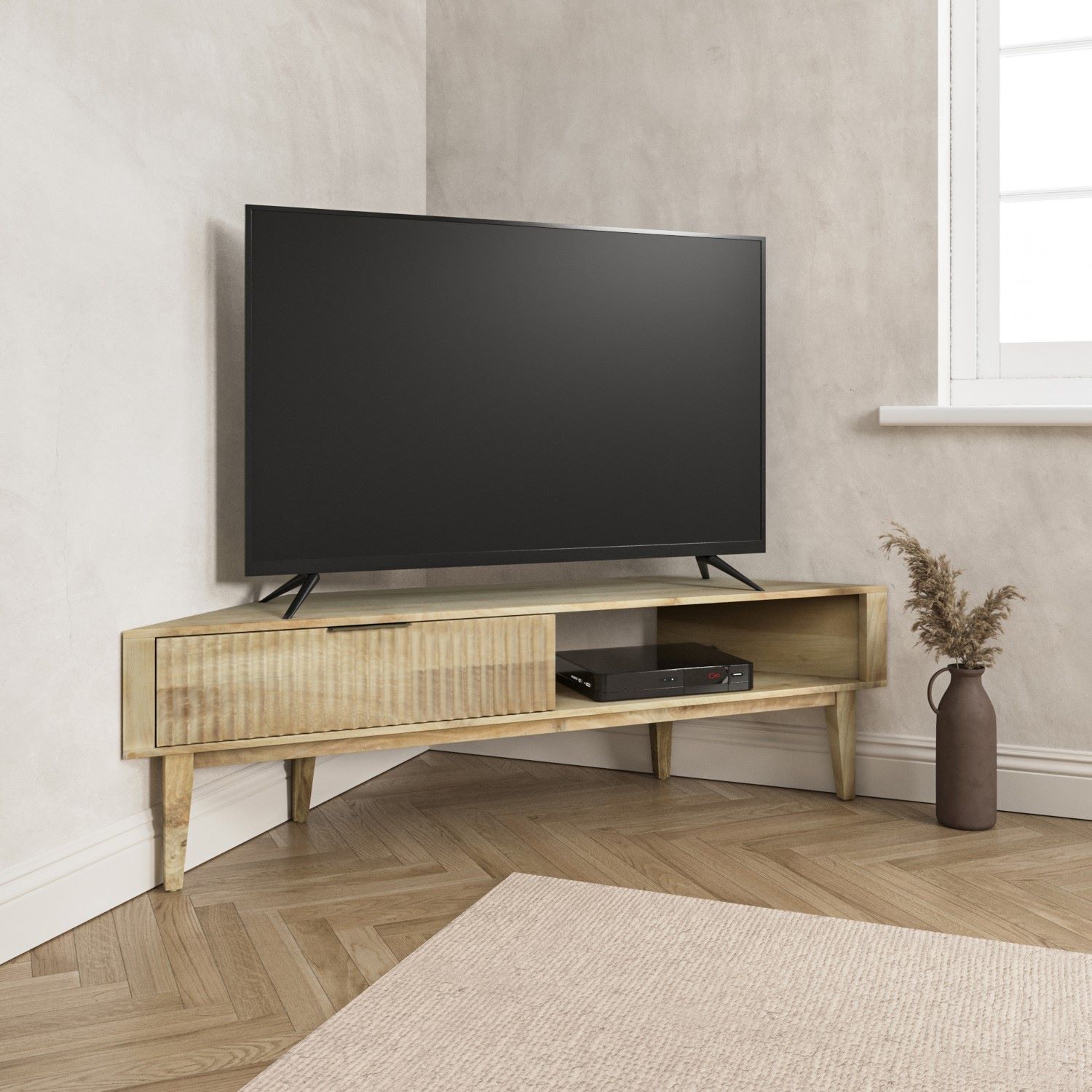
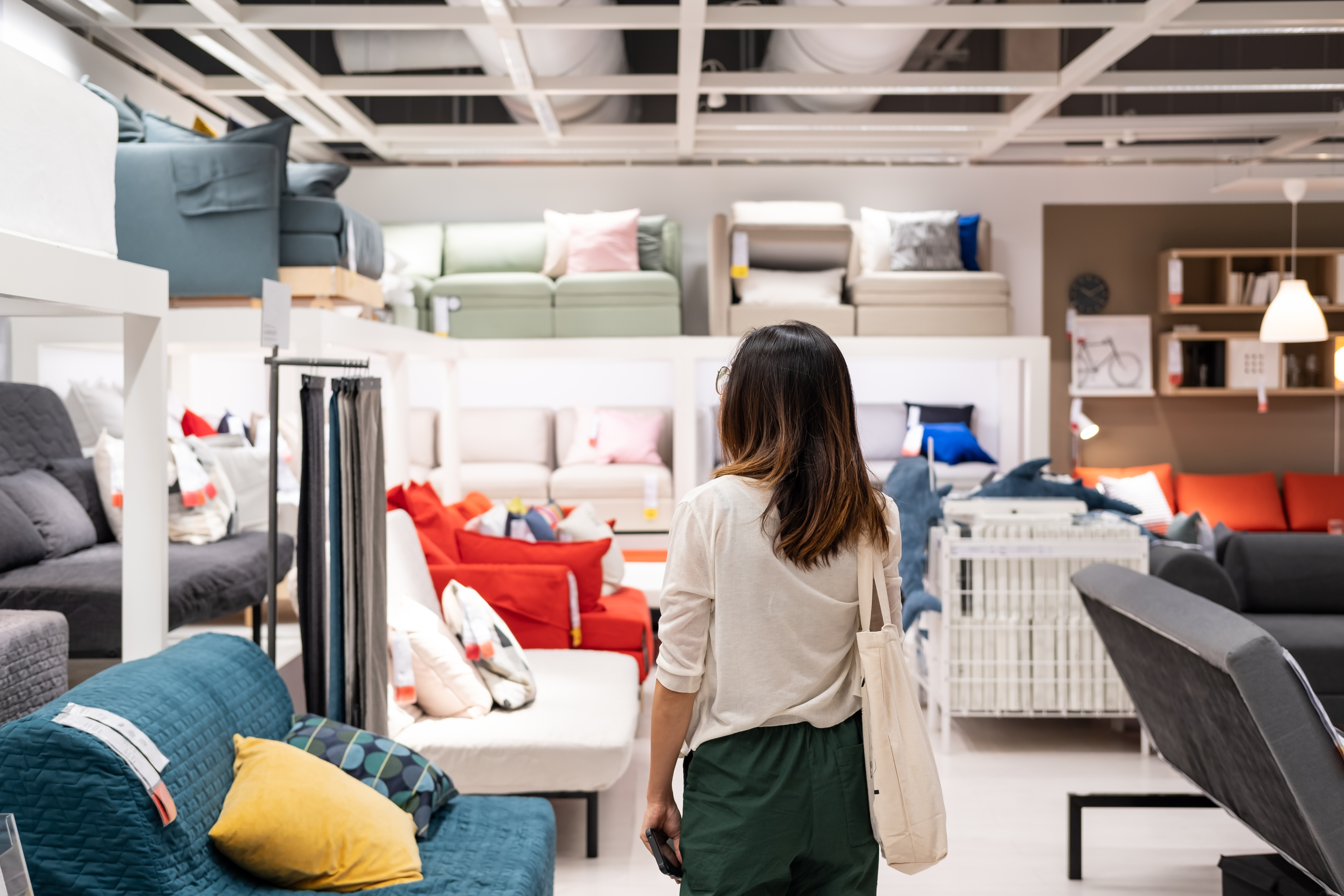
When choosing furniture for an open area living space, select furniture pieces like a coffee table or an entertainment center that includes hidden storage. Dual or multi-purpose furnishings such a hallway bench or an ottoman coffee table will increase your storage options in the long run, giving you more place to tidy things away – something that is ultra important in an open design condo, loft or apartment.

From the Design File of Heather B – Accent Color Paint Choice

Monday, August 23rd, 2010

Design Question

I need advice on interior paints. Currently I have Fresh cut Grass (~ cream from Benjamin Moore) colour in my living room. I also have lot of Cherry wood furniture on dotted gum (Brown) wood floor. I like to paint one wall with a different colour. Could you please advise me which colour goes with this setup?

Design Answer

You’re definitely starting off on the right foot. When choosing an accent color for a living room, you want to take several elements into consideration: the main paint color choice (fresh cut grass); the predominant color of the furniture whether it’s construction material of the furniture or the fabric of the sofa/chairs; and the mood you would like to create with your paint choice. Another thing to remember about choosing an accent color is that many people think that it must be bolder or darker than the main color that has been chosen, but it all depends on your personal taste and the effect you would like to achieve.

Warm Colors

Warm colors are red, orange and yellow. They, of course, include any shades, tints and hues in the red, orange and yellow color families. Warm colors have specific characteristics that contribute to the overall mood of the living room and how it interacts with the rest of the living room furniture. A warm color has the appearance of “moving toward you” which is why bright reds, yellows and oranges have a tendency to make a room look smaller in the cozy sense (not the cramped sense). Because warm colors are closely associated with fire, they energize a room. 

Cool Colors

Cool colors don’t mean “cold,” but they do have the opposite effect of warm colors. Cool colors include blue, green and violet. A cool color looks like it is “moving away from you.” This will make the room seem larger; contributing a sense of distance or space in the living room’s décor. Cool colors have a comfortable soothing and tranquil vibe to them.

Even if we are conscious of the affect that color has on us, the color choices in a room does contribute to the overall mood. So, it really is a personal preference, depending on whether you would like your living room to energize (warm accent colors) you or to soothe (cool accent colors) you. However, from the description that you gave me of your living room, but without seeing any photographs, I would be drawn to warm color choices.

I hope this has been helpful. I answer your design questions every Monday, so keep sending them in! I love to hear from all of you.

Board Silly – Accent Tables that will Amuse You

Wednesday, August 11th, 2010

An accent table is often used to complement the décor by adding another focal point or additional layer of texture to the living room’s interior design. The distinguishing characteristic of accent tables is their beautiful and detailed design that gives any room a unique, decorative touch. Another defining characteristic of an accent table is that it typically combines functionality with style or esthetics. Accent tables can be utilized in a number of ways: as end tables in a living room; as a side table placed next to a recliner or armchair in a den; or as a conversation piece in a bedroom or guest room. Designed with a den, living room or game room in mind, some accent tables will even amuse you. An accent table that can be unfolded or opened from table to game board or one that has a game board for a tabletop lends a room a decidedly aristocratic and sophisticated air.

The Lexington Barclay Square Newbury Distressed Square Game Table is the perfect example of an accent table that elegantly combines style with function. When it’s not being used as a game table, you can convert into a dining table for four. It’s also the ideal place to put a vase or drink a cup of coffee on a weekend morning while doing the crossword.

To create a space that is both a functional workplace and personal retreat, the AA Importing Weathered Blue Chess Table adds those little touches that will individualize your den or home office. Because of the intricate, hand-painted detail of this table, it has the Old World appearance of an antique or heirloom writing desk. When not being used as a chess board or game board, just by placing an accent chair or desk chair  in front of this enchanting accent table you’ll have a place to pen a short note, update your electronic organizer or an extra place to park your laptop for a few hours.

Accent tables that also do double duty as a place to play chess or a quick game of checkers, lend the rooms they are in uniqueness and a timeless sense of elegance. Cozy up with two oversized armchairs and settle down to a serious (or not so serious) game of chess or backgammon. And when you’re done, your game table will be the ideal accent table to rest your wine glass while you continue to chat with your “opponent.”

Soul Mates – Furniture Pairs that Just Belong Together

Wednesday, August 4th, 2010

It’s easier to make a splash with some pieces of furniture than it is with others. But when you pair certain pieces of living room furniture together, say a fireplace and a club chair, you not only up the room’s “wow” factor, you also add another layer of comfort and functionality to your living space.

A club chair or a recliner parked beside an accent table instantly forms its own grouping separate from rest of the living room. Just add a lamp and you have your own personal space for reading the latest bestseller or catching up on the evening news.

In a living room or family room, pairing a loveseat with the Butler Specialty Plantation Cherry Wood Nesting Tables increases your options: it allows you to have a meal in front of the television; a place to put two different bowls of munchies while watching a movie; and when entertaining, you can move the nesting tables around the room to wherever else they are needed.

Placing an unusual mirror above a console table in a foyer makes a statement about your personality and the home you’re welcoming people into. Whether the mirror is an attention grabber or not, pairing a console table and a mirror together is a practical combination – you can set down your keys or purse to check your appearance or fix your lipstick just before you go out the door.

To create a conversation piece and punch up the room’s visual impact, include pieces of furniture that are typically found in other rooms, such as a dresser in the dining room instead of the traditional sideboard or a baker’s rack in a hallway in lieu of  the standard console table.

I have stayed in places where there was no nightstand by the bed; it always causes me minor annoyance at the realization that I have to now get out of bed to turn out the light just as I feel I could easily drift off to sleep. A nightstand or a bedside is the perfect companion for any type of bedroom, from a master bedroom to a guest room to a child’s room. If you want to ramp up your bedroom décor replace the standard night stand with a hand-painted accent chest or a bachelor chest, which is slightly wider than a nightstand but not as wide as a dresser.

Pairing furniture pieces in such a way as to increase the room’s functionally is just good sense. You can also make your furniture pairings stand out and grab attention by selecting living room, hallway and bedroom furniture pieces that are unique and striking.

Making Your Living Room Pop

Wednesday, July 21st, 2010

While the living room is typically the place where you relax in front of the television, entertain family and friends, or just veg out in the recliner by the window on a rainy day, in today’s housing market many of the rooms in our homes designed to be dual or even multipurpose spaces. From an interior design point of view, the living room has always been a “multipurpose” space, in that it is intended to accommodate a variety of activities as opposed to say a dining room where eating is the predominant activity. Keeping this in mind, living room furniture like a sofa, accent chairs, a coffee table and other occasional tables should be versatile, functional and stylish but above all it should be comfortable and fit your lifestyle.

Pick a Style

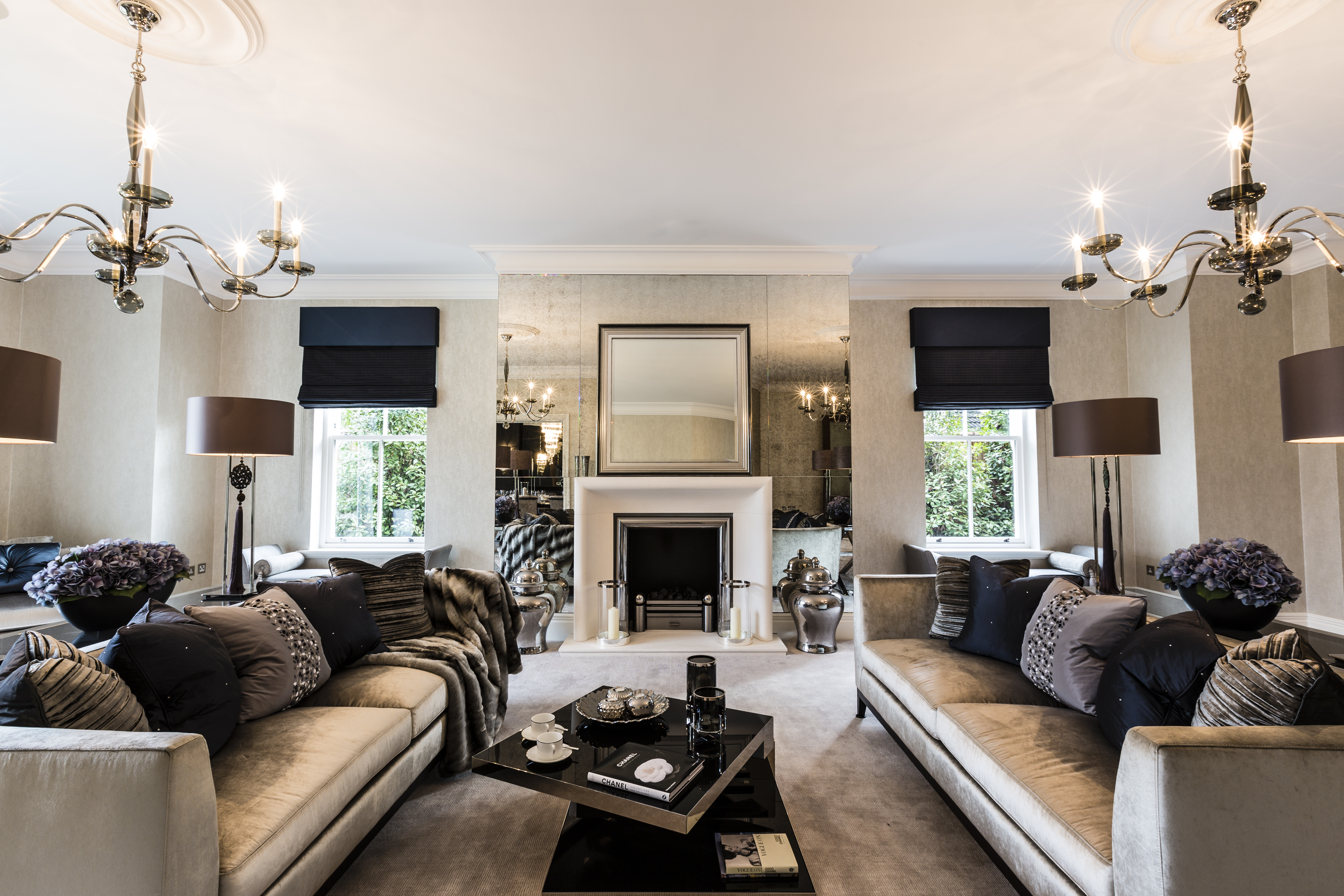
To create a living room that is cohesive and esthetically pleasing, pick a style that reflects your lifestyle and personal tastes. Like stopping in to take a look at the trendy boutique in the mall before you start in on your “real” errands? Perhaps contemporary or modern is the design style for you. Do you find yourself admiring the Victorian furniture in a period film? Then traditional style will be a good choice for you. If you like the clean lines and sleek look of modern or contemporary furniture but also find some aspects of traditional appealing, transitional style is ideal, because it combines both contemporary and traditional design principles for a look that is sophisticated yet inviting. There are no hard and fast rules: maybe you’ve decided on a contemporary style décor but need to find a place in your living room for the antique curio cabinet you inherited from your great aunt. By combining different styles together that work for you, you create a look and feel that makes your home unique.

Arrange the Furniture

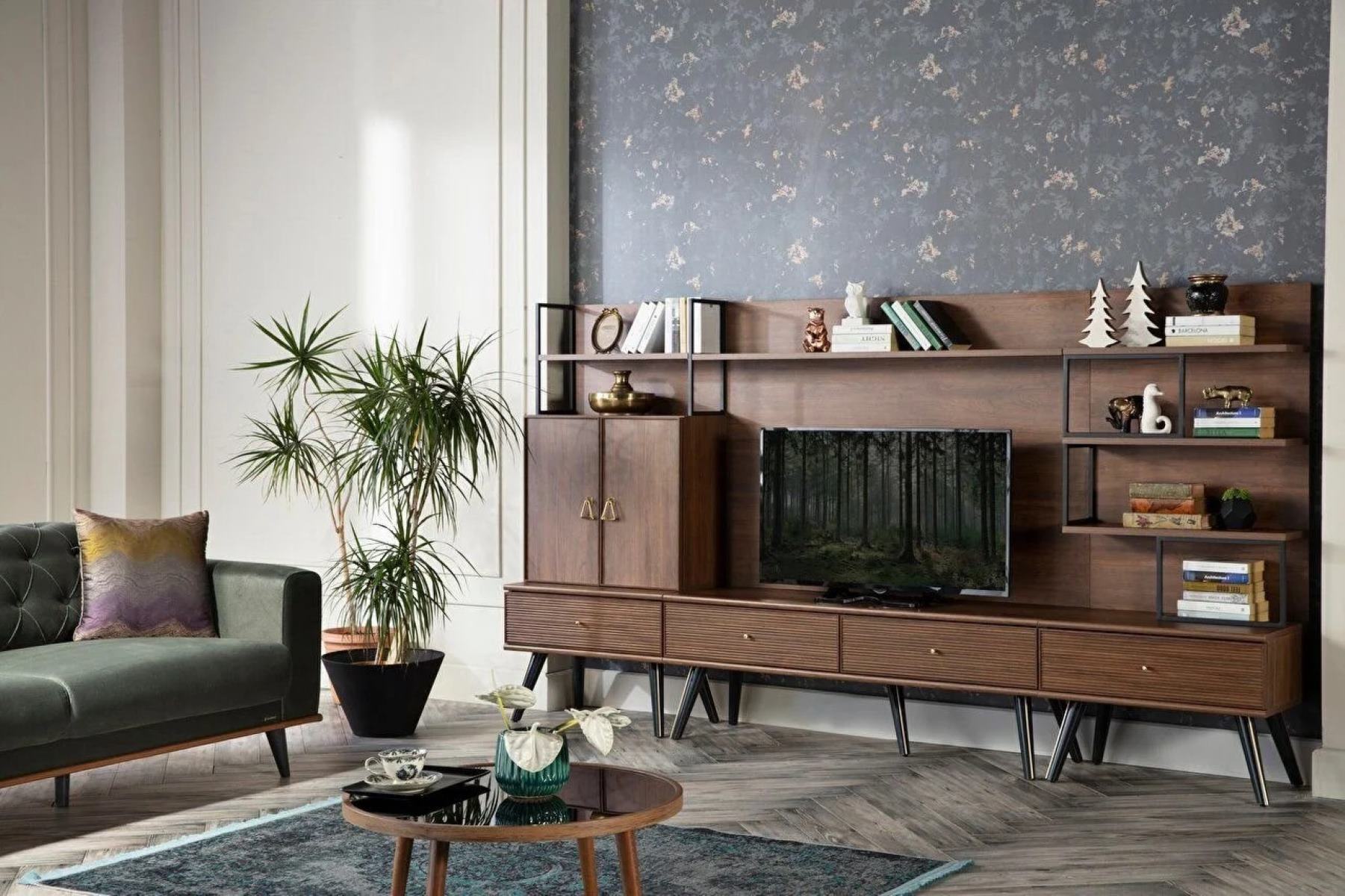
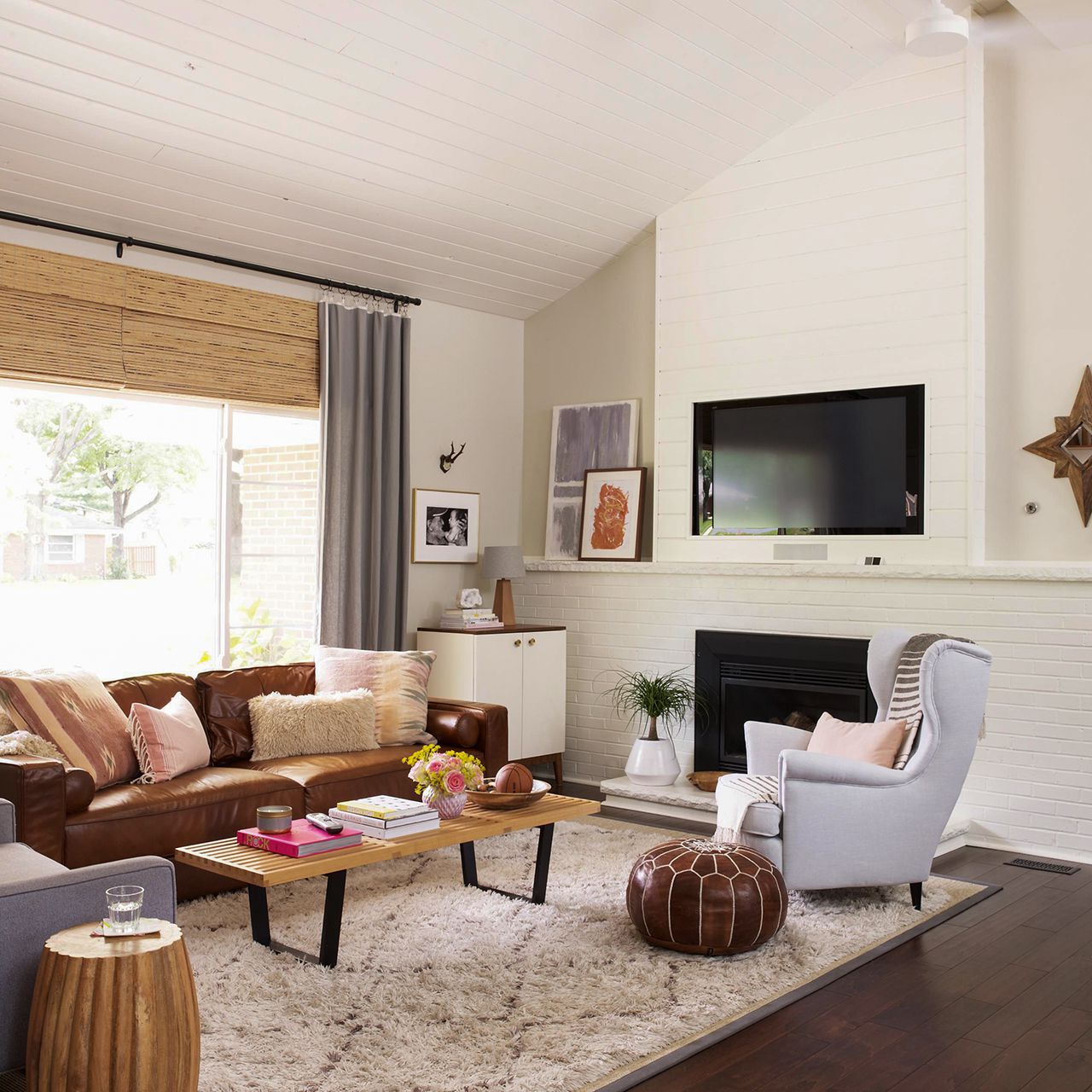
Once you have bought your new living room furniture or have decided what furniture pieces you will include in your living room interior design, you are ready to move the furniture into place. Decide what will be your principal focal point in the room: a fireplace, French doors, a library wall unit or an entertainment center are all ideal candidates for a main focal point in a living room. Then arrange the living room furniture accordingly, starting with the largest piece of furniture. Your lifestyle will also determine how you will arrange the furniture: if you’re a family that enjoys regular movie nights, then it will probably be important to you that the sofa is directly opposite the entertainment center and that the coffee table is wide enough to hold a couple of bowls of popcorn and a number of beverages in addition to all of the remotes.  You will also want to take into account traffic flow: this simply moves that you will have enough room to move around the room easily without bumping into things; ditto for being able to open and close the doors and drawers of case goods.

Accessorize!

 The whole point of accessorizing is to make the room personable and cozy. In a living room or family the proper lighting is important. You will need a nice balance of table lamps for task lighting and an overhead fixture for ambient (general) lighting. Choose artwork that features colors already in the room, as well as being bright and colorful. When accessorizing a living room, you want to make it homey and comfortable without being cramped or cluttered. Think functional with style like baskets for added storage on a shelf or underneath a coffee table or console table. Place decorative candlesticks and one or two detailed picture frames on a fireplace mantel. These little touches will personalize your living room and make it “livable.”

If you are in the process of furnishing a new living room or updating your living room furniture, send me a picture of how it turns. Still not sure what style you should choose? Write in; maybe I can help.

From the Design Files of Heather B – Tight Space Studio Apartment

Monday, July 19th, 2010

Design Question

Hi Heather, I have just moved to a studio apartment in the city and I’m tight on space. As you walk in the door, to the right is the kitchenette and to the left is the bathroom. Straight ahead is the bedroom area and it’s all in one space. The furniture I have is a double bed, wooden chest, a bedside table and lamp, a computer desk and chair, a small table for 2 along with a bamboo mat.

I want a Japanese style because of the lack of space in the unit as its size is of two normal sized bedrooms. Can you help me with any ideas?

Design Answer

The first trick to decorating a small space is to think cozy instead of small. You don’t want too much furniture in the space, because that will make it cramped. But you can err on the side of caution, too, but having not enough of the “right” kind of furniture; by that I mean the right number and right type of furniture pieces that will make you comfortable and your home welcoming.

The second trick to decorating a studio apartment is to choose furniture that is in scale. Many people make the mistake of thinking “small” instead of compact. When buying bedroom furniture or living room furniture for small spaces think dual purpose like a futon, which can double as a sofa and a bed; platform bed with storage drawers or a TV stand with multipurpose shelving and/or drawers.

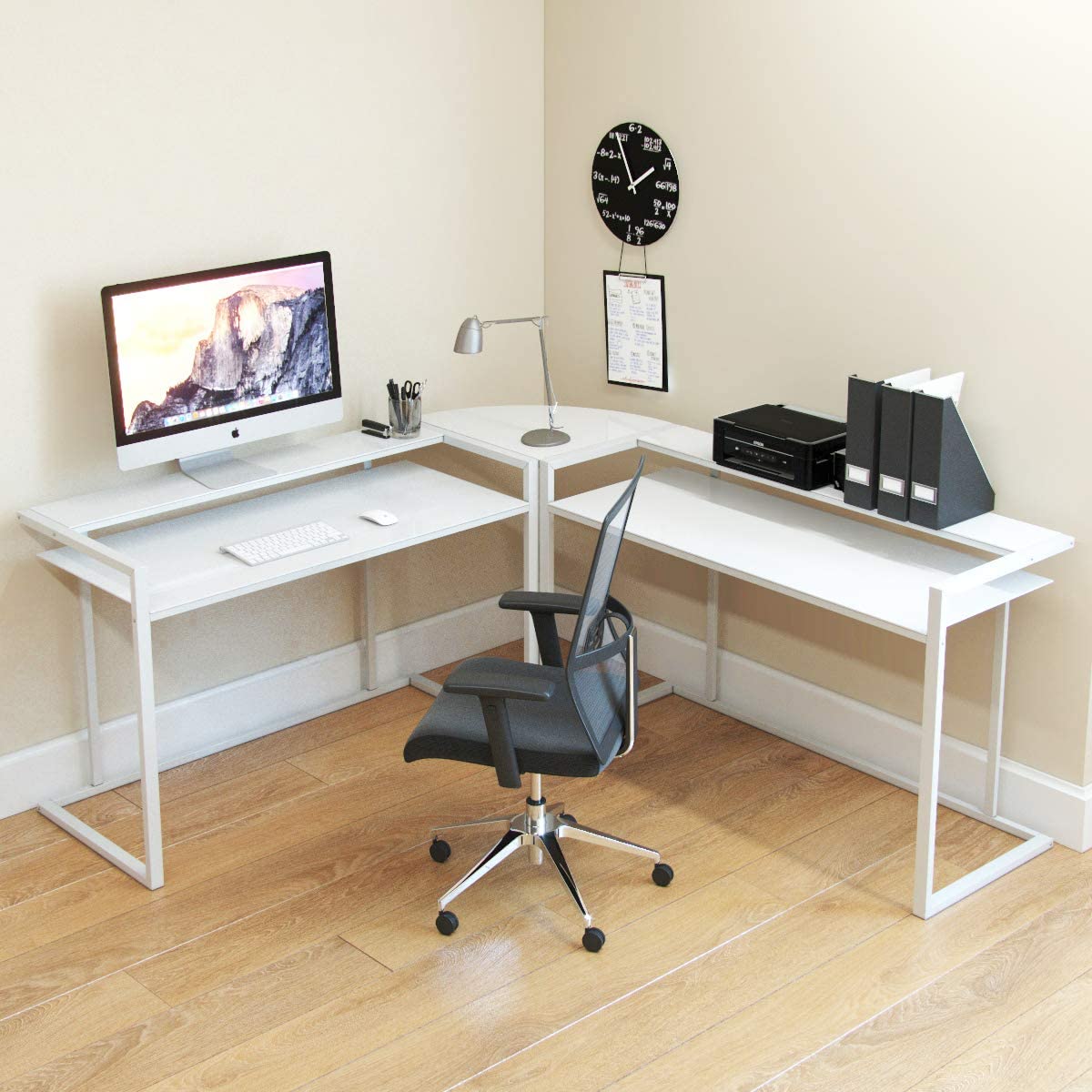
The third trick to keep in mind when decorating a bachelor apartment or a studio apartment is to pay attention to how you arrange the furniture. Because everything is out in the open, so to speak, you will want to choose one or two specific furniture pieces, preferably larger ones such as an entertainment center, dresser or armoire, as focal points in the room. Make sure that you have enough room to move around each piece of furniture; that you will have enough room to pull out your desk chair when sitting at the computer; opening drawers; or accessing cabinets, etc.

More Tips for Decorating Small Spaces

Japanese style is a great choice for studio apartments, because lines are simple, walls are typically unadorned and colors are earth tones or soothing neutrals.

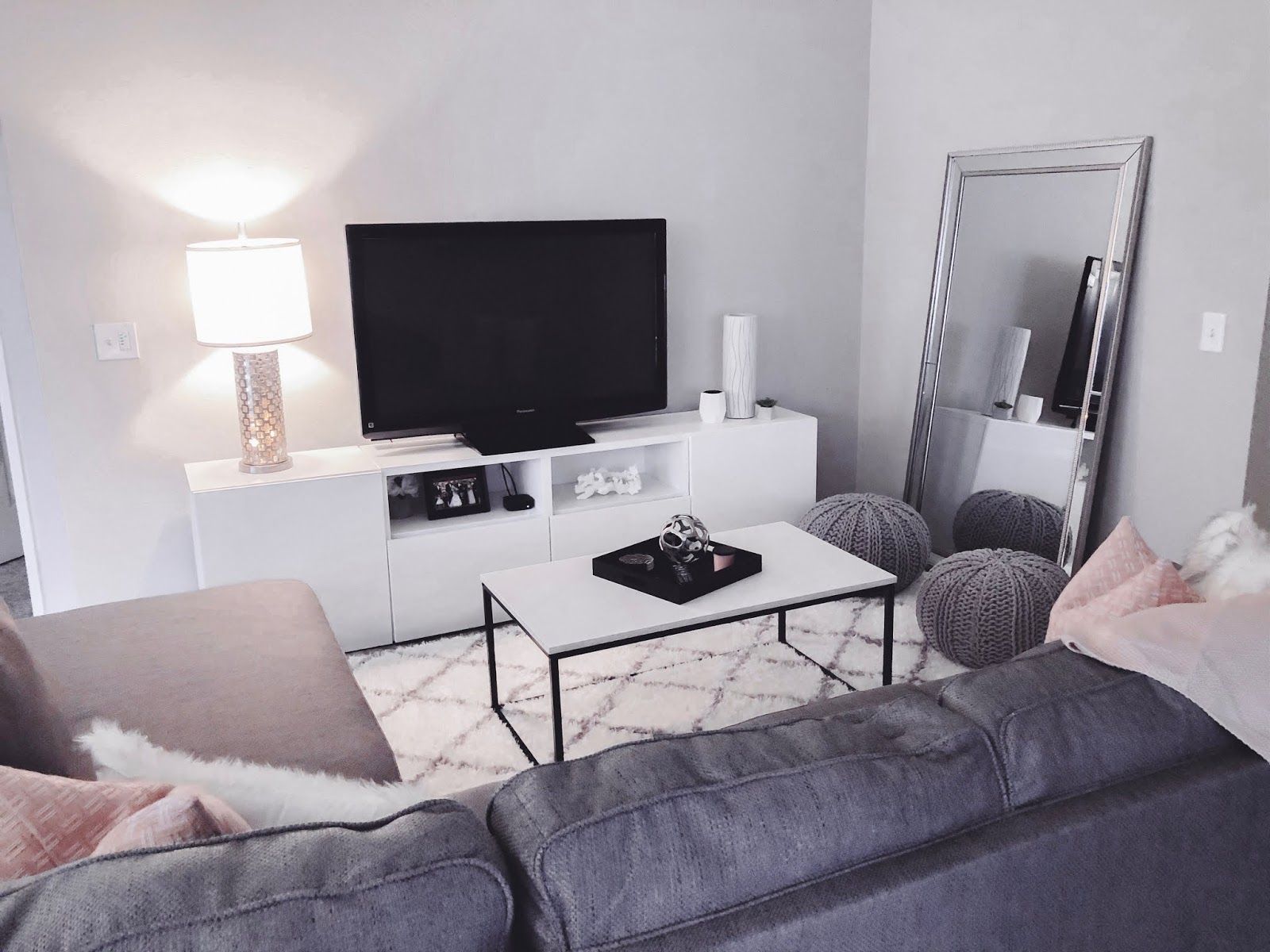
Add a large framed mirror directly opposite either the window or the door; this will help to make the space appear larger.

Select furniture that includes some type of open design like chairs with ladder backs; headboards with a lattice or openwork pattern; open style bookcases or storage shelving units; or tables with glass tops. By selecting furniture that isn’t “solid” (as in dense) looking will also help to make your living space look larger.

Thanks for writing in. Stay tuned next Monday when we tackle another interior design question. And don’t forget to keep sending me those emails!

Country Living Cottage Style – Cottage Living Room Ideas

Friday, July 16th, 2010

Cottage style is an ideal choice for a living room because it is laid-back, inviting and comfortable. It creates the feeling of welcome; of time passing without the watchful eye of the clock; and of being “lived in.” Cottage style, in many ways, shares similar elements with casual country. Both styles are eclectic in nature, relaxed and unpretentious and display a folksy warmth that is very inviting. Where these two styles differ, cottage style themes and motifs tend to be centered around water; reflecting lifestyles lived near a lake or by an ocean. Today, we’ll begin a new a series called “Country Living Cottage Style” and talk about how to create that cottage style look for your living room.

A cottage style palette reflects nature, especially water and sky. Pure whites and creams are a good place to start for colors for windows, doors and baseboards, and even the walls themselves. But whether the color in the cottage style living room is added to the walls directly or introduced through the furniture and when accessorizing, it should also incorporate soft, pastoral shades such as pale forest greens, tranquil shades of blue and the yellows found in summer roadside flowers.

Cottage style definitely has that country air, but lines a simpler, colors are brighter and while wood finishes are lighter, like casual country, they tend to be distressed. Cottage style living room furniture typically has decorative detail like turned legs, a milk-washed finish or louvered or beadboard panels. Fabrics and textiles for furniture and window treatments commonly make creative use of plaids, nubby wools, ginghams and small checks or floral patterns.

The sofa should have a wide, comfortable seating area, with an overstuffed backrest and rolled arms. It should be upholstered in homey fabrics that have an “arts and crafts” feel, like a quilted finish, a nubby cotton or florals. Sofas that include organic elements like wicker accents or rattan frames will also work well in a cottage style living room. When selecting accent chairs, an armchair or a recliner, keep in mind that they don’t have to match. Here is where the eclectic aspect of cottage style will manifest itself.

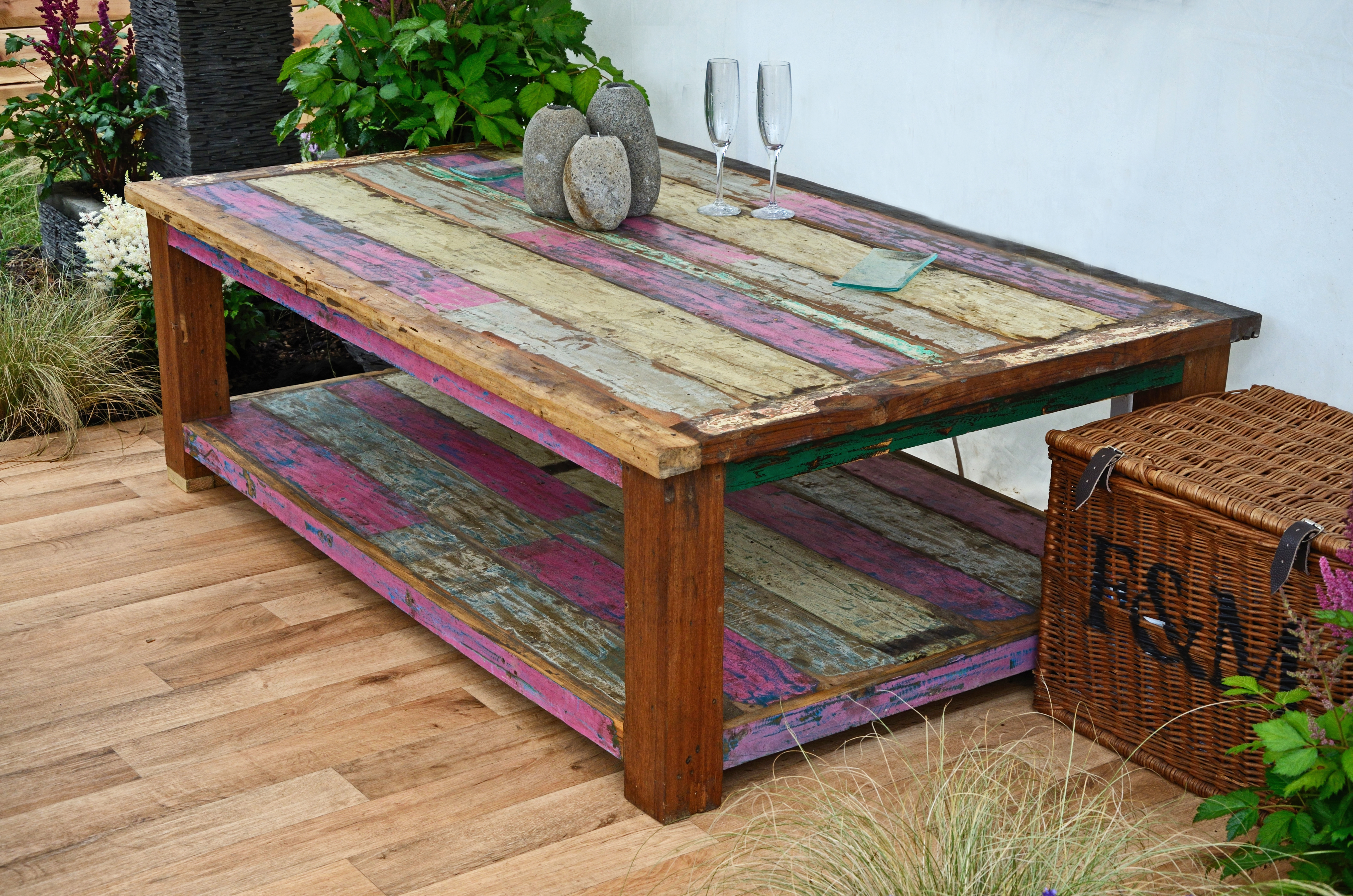
Tables should have a casual, yet charming appeal. Look for end tables, a coffee table, a console table or a set of nesting tables that have a distressed or washed finish; are painted white or cream with tabletops in a lighter wood finish like pine, cherry or oak. Accent chests and accent tables can have turned legs, stenciling or hand-painted designs.

When accessorizing, choose casual table lamps with checked, striped or plaid shades. Shades with in a gingham or floral print are also good choices. Lamp bases will often include organic elements like wicker or terracotta. Framed pictures should reflect the region, such as photos of the lake or prints of local attractions. Don’t forget those classic cottage accessory standbys like hurricane lamps, pillar candles on stone or ceramic candleholders and a hand-made quilt or hand-knit throw as added protection against a chilly night.

Next week, in the second part of the series, we’ll take a look at the cottage style bedroom.

Global Warmth – Global Style Living Room

Friday, July 2nd, 2010

Global style is a comfortably eclectic way to decorate a living room. Because it’s a design theme that celebrates travel, you can pair a modular style sofa that has a contemporary European cosmopolitan vibe with an end table like the Butler Specialty Designer’s Edge Hammered Copper Drum Table that has the appearance of hand-crafted artifact from a far-flung region of the world. A global style living room emphasizes natural fibers, both as an upholstery fabric and a construction material for furniture. Natural fabrics and organic elements such as silks, velvets, horns, shells, wicker and rattan are used to layer the living room in texture, creating visual interest. A global style living room can range from the highly sophisticated to the casually exotic.

Decide where you would like to put the color. One of the “textures” used in the process of layering a global style living room is of course color. But too much can make your décor “shout” and while you want the space to be interesting and energizing, it shouldn’t be overpowering or busy. If you choose a neutral color sofa, then add color to the walls and tie the sofa into the décor design with brightly colored or intricately patterned cushions. If you go the other route and paint the walls a paler or neutral shade, select a richly colored sofa, armchair, recliner and/or loveseat.

When accessorizing a global style living room, select oversized pieces like a sculpture, vase or urn that will make a statement. Wall art should be large-scale and display exotic or tribal themes. Accent cushions, candles and other miscellaneous trinkets should be arranged throughout the living room in such a way that warm, spicy shades are balanced with a delightful mix of soothing neutrals and organic elements.

The living room furniture you purchase for the room should be predominately made of wood, typically exotic or tropical woods such as teak and mahogany. For an “authentic” global feel, one or all of the living room furniture pieces should have wicker, rattan, shell or stone decorative accents or panels. The Kenroy Home Capri Oil Rubbed Bronze with Shell Accents Table Lamp is a perfect example of how organic elements can be easily incorporated into a global style living room design.

A global style living room has the air of belonging to a well-traveled citizen of the world. It has an easy, eclectic look that can be as sophisticated as you want it to be. A tribal drum provides inspiration for a coffee table; a handful of shells are transformed into a stylish table lamp; natural fibers woven into an intricate zigzag pattern makes an area rug a focal point of the room. But it is the unique way that a global style living room is layered that transforms it into your own creation.

From the Design Files of Heather B – Furniture Color Question

Monday, June 14th, 2010

Design Question

I am currently in the process of redoing the family room, since it’s just a mishmash of mismatched furniture with a large plasma TV on the end wall. Because it was previously painted not even two years ago, we’re not planning on doing it again. So the color of the walls are light blue. Same thing concerning the carpet; it’s still new enough that we won’t be replacing it. It’s a soft cream color. I want a contemporary look for the family room, something casual but still smart looking. With light blue walls and cream colored carpet, which would look better, white or dark brown furniture?

Design Answer

The short answer is either white or a darker brown like espresso or chocolate will work perfectly well in a room with light blue walls and a cream colored carpet.

The longer answer is that both choices have their pros and cons. Some people would shy away from choosing white furniture for a family room because it can be easily stained; especially white furniture that has white or lighter colored upholstered seating or accompanying accent cushions. However, white furniture can look smart, especially contemporary style living room furniture. It has the added advantage of being able to go with virtually any other color. White furniture can be a great backdrop for accent pillows of different colors. Or you can implement a standard contemporary color scheme by starting with white basics and accessorizing with black fabrics and other decorative items.

White in a room, whether it’s on the walls or it is the color you have chosen for your family room or living room furniture also has the advantage of opening up the space and making it seem roomier. This is a plus if the room you are redecorating is small to begin with.

On the other hand, choosing furniture with finishes that include chocolate, java or cappuccino will give your family room a much more sophisticated look and feel. Particularly in a room that has an area rug or carpet in a light shade, darker colored furniture will create a pleasing contrast, while adding warmth.

From Coast to Coast – Coastal Style Living Room

Friday, June 11th, 2010

Coastal style is becoming more popular than ever due to its versatility and casual savoir faire. While furnishings reflecting a coastal theme don’t possess one definitive style per se, coastal living room furniture is distinctive with its relaxed profiles, lighter or more exotic finishes, louvered accents and fabrics that echo marine life or a day spent by the beach. Aside from its many faces, coastal style is inspired by the lifestyles and objects closely associated with the different coastal areas found throughout the world.

Pick a coast. Because each one has its own unique flavor, mirroring a particular region and its social trends, you will want to focus on only one coast for the emphasis of your living room interior design. This choice will play an important role in the color palette you choose. For example, the Eastern Seaboard is more closely associated to moody grays, misty whites and paint-washed blues. But the Pacific Coast, especially California is linked to brighter colors like marine blues, sandy neutrals and sunshine yellows.

A coastal style living room borrows its color scheme straight from the sea. Fabrics range from rich earth tones to the vibrant colors of reminiscent of the sun, sky, tropical fish and coral reefs. Furniture designs commonly create visual interest with textures borrowed from natural fibers or panels of woven or inset organic materials like wicker, rattan or ceramic tile. Throw down a woven area rug of sisal or sea grass.  For a casual seaside resort holiday atmosphere, select a coffee table set with a white or soft pastel milky finish for a touch that is light and festive. This style of living room can also accommodate larger showy pieces like a TV armoire or a curio cabinet, especially if it includes beadboard or louvered panels.

When accessorizing a coastal style living room, you want to evoke the feeling of a summer holiday by the sea or a life lived by the ocean. Place a braided rug under the coffee table or in front of an electric fireplace. Put a row of woven baskets on a bookcase shelf; this little decorating trick will not only add an organic element to your coastal style living room, it will also make the space more functional. Group found objects together, such as a handful of shells or other little treasures from the sea to create secondary focal points throughout the room.